


Data Centers and Public Health

Data Centers as a Public Health Issue
Explore how data centers can affect health and how public health professionals can advocate for transparent decision-making and policies that protect communities.
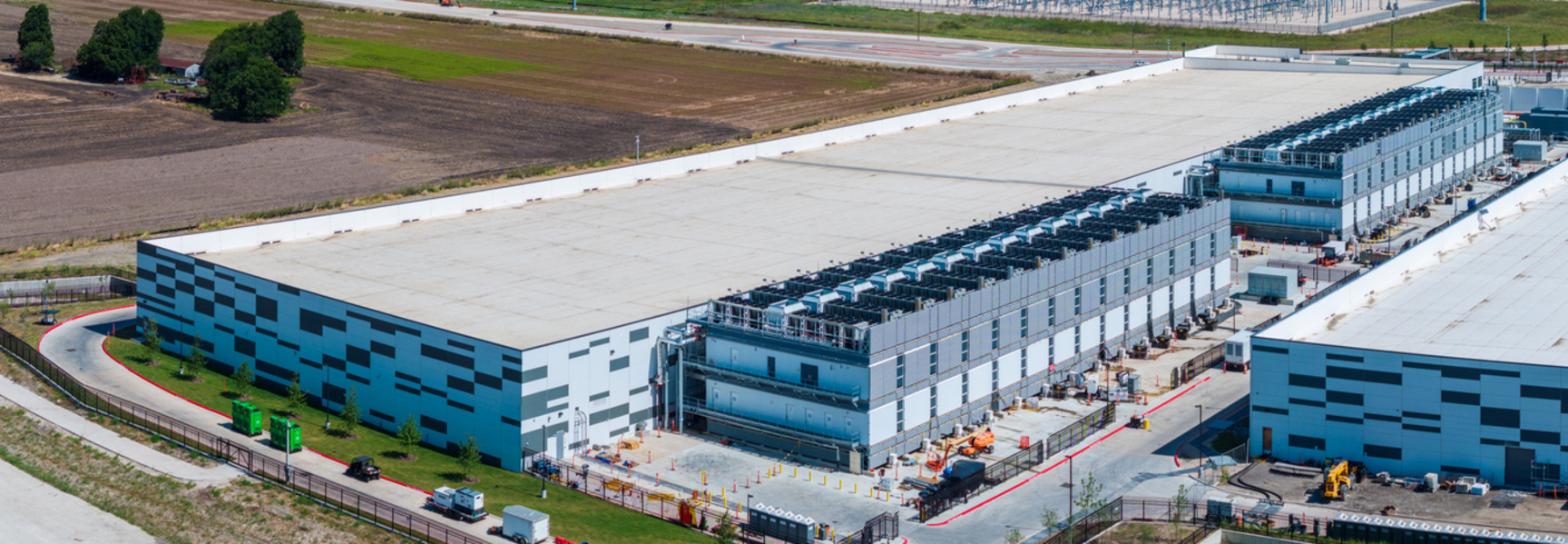
The rapid growth of AI and other digital services like search engines and cloud storage and computing is driving a major expansion of data center construction across the United States. As rapid expansion continues, it is necessary to account for related health impacts. Data centers can affect communities and their health in a variety of ways, including air pollution from the burning of fossil fuels, water use and pollution, excessive noise and light pollution, and land use and development. New facilities that are powered by fossil fuels can add to existing pollution and health burdens in communities already facing environmental injustices.
Data centers are often placed and operated in the same communities already disproportionately impacted by environmental injustices: low-income, rural, immigrant/refugee, Indigenous communities and other communities of color, and other marginalized populations. It’s important to understand how data centers can affect health and the role public health professionals can play to advocate for transparent decisionmaking and protective policies.
Latest Updates
- Data Centers and Health: Recommendations for the Public Health Field
These recommendations are for the public health field to better respond and prepare for data center placements and operations within their communities. They were developed as a result of a May 2026 Data Centers and Public Health Hybrid Roundtable that brought together environmental justice advocates and professionals in public health, law and environmental fields.
- Data Centers and Health: Understanding the Impacts and Taking Action
AI data centers are expanding rapidly across the U.S., with growing implications for air and water quality, noise, energy costs and public health. This four-part webinar series equips health professionals and advocates with the evidence, messaging and actionable strategies needed to respond. Watch the recordings. - Q&A with NAACP: Addressing the growing environmental harms of AI data centers | Public Health Newswire
From rising emissions to local air, water and noise pollution, AI data centers pose growing concerns about environmental justice and health equity. The NAACP has long been on the front lines of environmental justice and is addressing new threats as they arise. This March 2026 Q&A from Public Health Newswire talks with the NAACP to learn how communities and health professionals can respond. Read the article.
How a Data Center Can Affect Health
 Energy, Air Pollution and Climate Health
The energy demand created by data centers can drive grid expansion and fossil fuel energy generation, which can worsen air pollution, amplify the effects of climate change and create affordability concerns for households.
Impact on Energy Grid
In some areas, utility companies may need to expand or upgrade the power grid to meet data centers’ energy demand. Depending on how these upgrades are funded, this can increase energy costs for surrounding communities, contributing to financial stress and mental health impacts.
Inadequate energy access can increase the risk of heat- and cold-related illnesses, such as heat stroke and inadequate blood circulation. Long-term socioeconomic implications of financial hardship can include food insecurity, increasing health disparities and chronic stress.
Air Quality
Data centers that rely on fossil fuels can increase air pollution, contributing to respiratory and cardiovascular disease, cancer, neurological disorders and reduced fertility.
One high-growth model suggests that data centers may contribute to approximately 600,000 asthma cases in 2028, with an estimated public health cost over $20 billion.
Climate Change
Added CO₂ from data center operations accelerates climate change, contributing to more severe heat waves, storms and floods, which are all events that endanger both data centers and nearby communities and compound health risks ranging from heat stroke and respiratory illness to trauma and mental health impacts.
The water consumption by data centers may exacerbate growing water scarcity caused by climate change and drought.
Data centers can release excess heat that may raise temperatures in nearby neighborhoods. Some researchers have documented increased air temperatures up to 4°F, and this heat impact spanned approximately a third of a mile from the data center. Added heat may increase cooling needs and compound heat-health risks for people who are most vulnerable or unable to afford air conditioning.
 Water Use, Quality and Scarcity
Cooling systems can strain local water supplies and raise concerns about water quality, drought and equitable access.
The cooling systems used in data centers can strain local water resources and negatively impact water quality. There are also some concerns around incorporation of chemicals like PFAS in the cooling systems. These forever chemicals are long-lasting in the environment and high levels are linked with some cancers.
The changes to water supply and quality may increase the risk of waterborne diseases, water scarcity, pollution ingestion and poor maternal outcomes.
 Noise, Light and Sleep Health
Around-the-clock cooling equipment, fans, generators and construction can create disruptive noise, while nighttime lighting can interfere with sleep and daily rhythms.
Noise Pollution
Cooling systems, back-up diesel generators, fans and other machinery contribute to constant noise production. Noise pollution can cause chronic sleep disturbance and stress, with the possibility of long-term conditions such as cardiovascular impacts. Noise pollution is of particular concern for children as it can impact cognition and may have lifelong health impacts.
Light Pollution
Data centers require lighting throughout the night which may disrupt the circadian rhythm of individuals exposed, impacting melatonin production, sleep cycles, mental health, cardiovascular health and overall quality of life.
 Beyond the Facility: Supply Chains and E-Waste
Construction, mineral extraction and electronic waste create health and environmental impacts beyond the data center site.
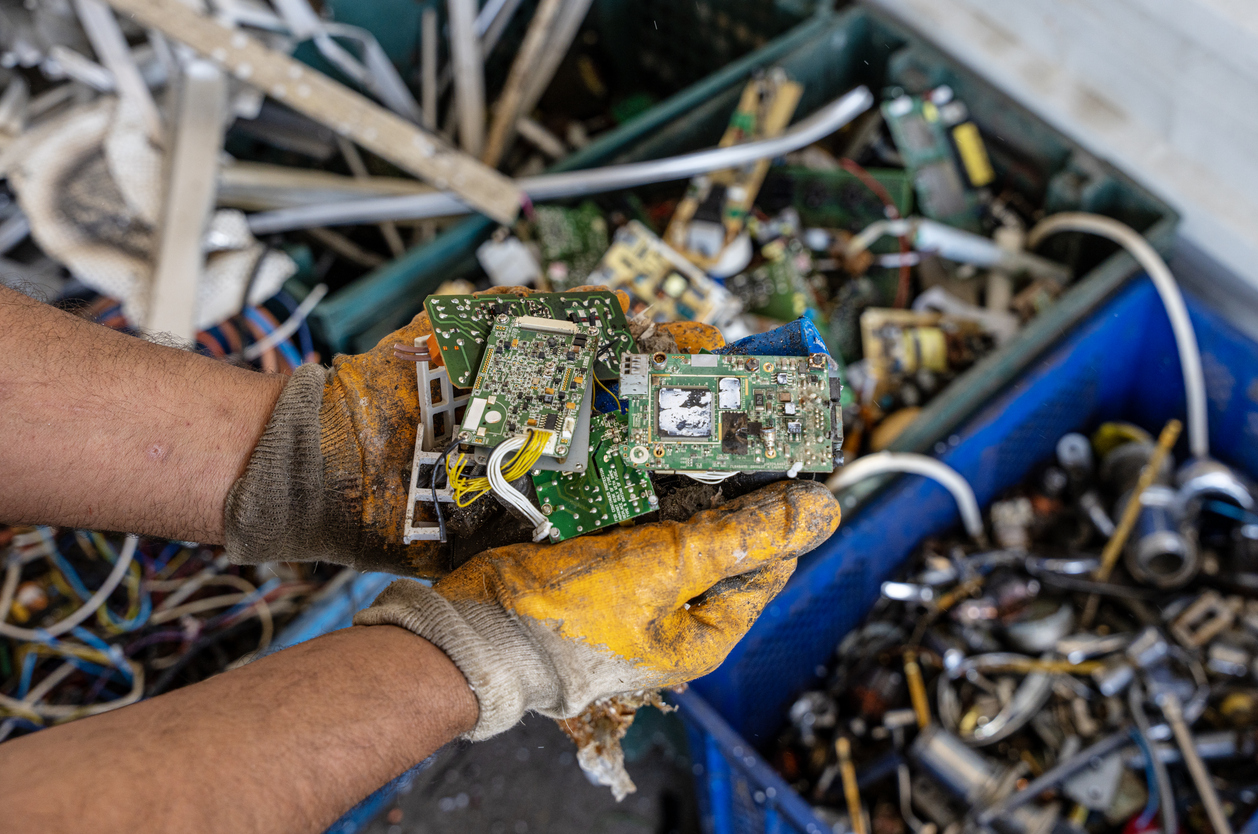
Beyond the direct health impacts of data centers, the processes required to build and maintain the facilities, such as mining rare-earth metals and concrete production, also impact health outcomes. More research needs to be done on the indirect health impacts of data centers.
The e-waste associated with data centers contains toxic chemicals, and there is no federal legislation on managing this waste. Improper disposal can cause environmental and human exposure to mercury, lead and other hazardous materials.
For more information around our data centers and public health work, email us at [email protected].

Partner Resources
Use these tools and resources to learn more, engage with your community and advocate for health-protective data center policies.
- NAACP – Stop Dirty Data Centers campaign Overview of environmental justice concerns, community stories and ways to get involved. NAACP also produced the Building a Healthier Future: Designing for AI Health Equity
- Duke – Data Center Development and Local Governance Guidelines for Community-Centered Outcomes
Guidance for local governments on engaging communities early, addressing concerns about energy, water, noise, land use and incentives, and shaping data center development to deliver fair and community-centered outcomes. - Climate Justice Alliance – Data Centers and AI Infrastructure
Fact sheets, talking points and community-focused resources on data center impacts and local authority.
- Environmental Protection Network- The Hidden Health Costs of AI Data Centers: More Power, More Pollution, Fewer Federal Protections (report) and A Call for a Data Center Health Protection Pledge.
- Climate XChange – Resources for Regulating Data Centers
State-focused policy toolkits, issue briefs and guidance on electricity, water and environmental safeguards. - Halt the Harm Network – Data Center Policy Tracker
State-by-state tracking of data center legislation, incentives and regulatory actions. - AINow Institute - North Star Data Center Policy Toolkit
Concrete policy recommendations and model language for local and state interventions to restrict or regulate data center development.
- Healthy Climate Wisconsin - Resources
Community toolkit, local permitting information, policy context and ways to take action. - Great Lakes Commission – Data Center Regional Playbook
Regional playbook with checklists for evaluating data center impacts, community benefits and questions for public meetings. - Pennsylvania Data Center Planning Toolkit
Practical guidance for local governments to evaluate data center proposals in line with local authority and community goals. - Resource from PSR Pennsylvania - What data centers mean for Pennsylvania.