


Ebola
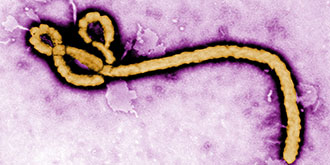
2026 Ebola Outbreak
The World Health Organization declared a new Ebola outbreak in the Democratic Republic of Congo and Uganda, caused by Bundibugyo virus, to be a public health emergency of international concern but noted that it does not meet the criteria of pandemic emergency.
What is Ebola?
It’s a severe, often deadly disease that can infect humans and non-human primates such as monkeys, gorillas and chimpanzees. The disease is spread via an infected person’s body fluids, objects like needles that have been infected by a sick person’s body fluids, or infected animals.
Resources and current information on Ebola
- The history of Ebola
- CDC on the current situation
- WHO on the Ebola virus disease
- Control of Communicable Diseases Manual chapter on Ebola
APHA on the Ebola outbreak in 2014
The Ebola outbreak in West Africa — the largest in history — sparked an international public health response. For example, APHA:
- Made the Ebola-Marburg virus chapter from the Control of Communicable Diseases Manual available free of charge.
- Issued an action alert about the importance of public health funding in the wake of the outbreak.
- Spoke out in the news.
- AJPH editorial, "The Moral Challenge of Ebola"
- Hosted a session at the 2014 APHA Annual Meeting focused on that year's epidemic and public health response.
- Held a call with CDC officials so APHA members could learn more about the outbreak response.
- Passed a 2014 policy statement calling for strengthening Ebola response and protection for health workers.
In this U.S. News & World Report piece, our CEO, Georges Benjamin, MD, argues against implementing a travel ban to Ebola-affected countries and explains the importance of supporting a strong public health response.
Learn about Ebola in this Get Ready blog post. Read about concerns for health workers in this cover story from The Nation's Health.