






Public Health Newswire from The Nation’s Health brings you the news you need now


Public Health Newswire
Q&A: Fossil fuel combustion is endangering public health
- Mary Stortstrom
Fossil fuel combustion harms every system of the human body at every stage of life and continues to drive climate change. A recent APHA-endorsed report details the full extent of the health hazards of fossil fuels, from the air humans breathe to the water they drink.
The Nation’s Health discussed “Fueling Sickness: The Hidden Health Costs of Fossil Fuel Pollution,” with Mark Vossler, MD, board president of Physicians for Social Responsibility, which also endorsed the report.
Who is the audience for this report, and what are the key takeaways they should have after reading it?
It’s really aimed at the general health care and public health audience, as opposed to the people that are doing research in this area. The nature of this (report) is raising awareness in the health community of what's actually happening to your patients.
The reason to make this sort of statement right now is to break down this notion that the impact of fossil-fuel burning is something in the distance. We have to deal with this mindset that climate change isn't impacting us now, so we have time to research the best solution. In fact, we don't have time, the impacts are immediate, and we need to be reducing our dependence on fossil fuel ASAP.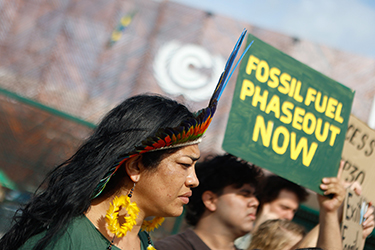
This message is also important to deliver to policymakers, because people are being impacted right now, so it kind of breaks down this complacency to just let the status quo go or kick the can down the road.
With federal agencies slashing climate and health initiatives, why was this report released now?
The Inflation Reduction Act was huge in terms of its potential for reducing immediate impacts of air pollution and long-term impacts of climate change, but it's been rolled back. In terms of federal policy, we're in a net gain toward clean energy, but it has been three steps forward, two steps back, since the reconciliation bill peeled back a lot of the investments in clean energy.
If you peel back some of the crazy partisanship that's going on right now, you’ll find that even conservatives care about the air that they breathe. They don't want their kids to die of asthma or their parents to die of a heart attack, so the health message is super important.
(The public) needs all the information they can get, and presenting something about health benefits, succinctly and understandably, will help motivate people. It’s important for the general public and policymakers to know that any reduction in common air pollutants is going to have a meaningful impact on people's health.
How does this report inform discussions on fossil fuels at the global level?
According to the World Health Association, there are 8 million deaths each year worldwide due to air pollution. In some places, a lot of that pollution is in the home, such as cooking and heating, and there are things that wealthier countries like the U.S. can do to provide aid to developing countries that could make rapid shifts and big positive impacts on communities that are already overburdened. I'm somewhat pessimistic about the federal government in the U.S. doing the right thing, and I think they need to be pushed hard. I'm even more pessimistic about the international stage.
If we're going to make progress on the international level, the U.S. and the European Union have to be leaders. We're historically responsible for the greatest amount of air pollution and we import products from areas whose industrial practices are much grittier than our own, giving cheaper products to our consumers.
Right now, what we're doing in the U.S. in terms of reducing emissions from a public policy standpoint is state-by-state, and we can only get so far that way, because the federal government has the power of the purse. I think the U.S. has an obligation to be a leader here, and we're failing right now.
How can public health professionals use the information in this report to shape energy policy?
We need to translate some really good academic work into policy, and we can't expect our state and local health departments to do all the work, because public health departments have a lot on their plate. My experience in my state is that they don't have the budget to do all the things that they want to do. A lot of the policy changes that need to happen are to energy policies and transportation policies, but the people that make the decisions that result in these adverse health consequences are not necessarily listening to the folks with public health expertise.
I think we have a bad habit of talking to ourselves in public health. There's got to be some way to go across the aisle, and so far, no one seems to have found it.
Our community has a powerful voice and has to be willing to use it. Get in the halls of Congress or your state legislature, coordinate with your state and local health departments.
Caption: People protest harms to health from fossil fuels at the United Nations Climate Change Conference in November. Photo by Zô Guimarães, courtesy UN ClimateChange, via Flickr Creative Commons.